Pain sits at the crossroads of physiology, psychology, and context. It can be a broken wrist in a schoolyard, a neuropathic burn that sticks around long after shingles, the aching back that keeps a nurse off the lineup, or a post‑operative individual grimacing behind a calm face. A solid pain management qualification program transforms that intricacy into functional competence. It builds the routines that medical professionals carry to the bedside, to the rescue bay, and to the community. It is not a badge, however a scaffolding for judgment, security, and empathy.
This overview unboxes the competencies every credible certificate training course suffering management should educate, exactly how those abilities equate to day-to-day practice, and just how to choose a training course that fits your range and setting. It likewise resolves particular streams such as pain administration courses for nurses and pain administration courses for physiotherapists, in addition to short programs hurting management that target emergency situation care.
What a discomfort administration qualification should cover
The ideal programs secure themselves to evidence while equaling method. Theory issues, however only insofar as it changes what you do at the patient's side. Whether you pick a pain management certificate program developed for intense treatment, area health, or rehabilitation, try to find the following motifs woven with the curriculum.
Assessment as a professional ability. Exact discomfort analysis is greater than requesting for a number. It is selecting the best device for the individual in front of you, observing behavior, and changing for cognitive problems, developing stage, culture, and language. Adults who reduce distress need a various approach from an anxious teen or a nonverbal older grown-up with ecstasy. A durable discomfort monitoring training block provides you a toolkit: numerical scales, verbal descriptors, visual analog scales, Wong‑Baker for pediatric medicines, PAINAD for mental deterioration, and function‑oriented concerns like, "What can you do now that you couldn't do yesterday?" Qualified medical professionals triangulate throughout these.
Pharmacology with guardrails. Drug is not a monolith. Non‑opioids, opioids, adjuvants, topical representatives, and regional strategies all have a place when made use of deliberately. Great discomfort administration training courses educate dose titration, ceiling impacts, opioid equivalencies, cross‑tolerance, body organ impairment changes, and communications. They also instruct restraint: when to quit, when to trial nonpharmacologic therapies initially, and exactly how to deprescribe without triggering withdrawal or rebound pain.
Nonpharmacologic therapies that really obtain utilized. A lot of courses pay lip service to warmth, ice, placing, exercise therapy, or cognitive methods. The beneficial programs show exactly how to make them embed genuine facilities: establishing client assumptions, developing micro‑goals, scripting sensible mentoring, and recording end results. For physiotherapists, pain management courses for physiotherapists ought to move past tissue‑centric versions to contemporary discomfort scientific research, graded direct exposure, pacing, and interaction that soothes threat.
Communication that builds alliance. The words we choose can worsen or lighten pain. Preventing devastating language, confirming the patient's experience, and establishing honest goals changes adherence and anxiety. This is especially essential in emergency situation pain management, where minutes matter and trust determines whether an individual will accept a nerve block, inhaled analgesia, or a single‑dose opioid.
Safety, risk mitigation, and stewardship. No certification training course suffering management is total without functional risk evaluation for misuse, overdose avoidance, naloxone education, and safe storage space. This is not simply for opioid therapy. Gabapentinoids, NSAIDs, and tricyclics bring threats also, especially in polypharmacy. Programs need to cover tracking plans, prescription medicine tracking data sources where applicable, and recommendation thresholds.
Special populaces. Youngsters, expecting individuals, older grownups, individuals with renal or hepatic impairment, those with OSA, and patients with substance usage disorders all require customized analgesic strategies. Discomfort monitoring courses for nurses and interprofessional groups need to install these situations in simulation and case evaluation, not just in slides.
Documentation that protects and notifies. Clear, synchronic notes lower mistake and assistance connection. High‑quality discomfort management training for registered nurses and allied clinicians must develop routines like videotaping discomfort strength and useful influence, interventions offered, time to impact, damaging results, and follow‑up steps.
Across these themes, the programs that stand apart set didactic web content with case‑based understanding, micro‑simulations, and reflective debriefs. They give you sample expressions for difficult discussions and templates you can adapt to your setting.
Matching certification to your duty and environment
A single program can not serve everybody just as. A rural paramedic needs different devices from an outpatient physio or an oncology nurse. When evaluating a discomfort administration qualification training course, very first map your day‑to‑day demands.
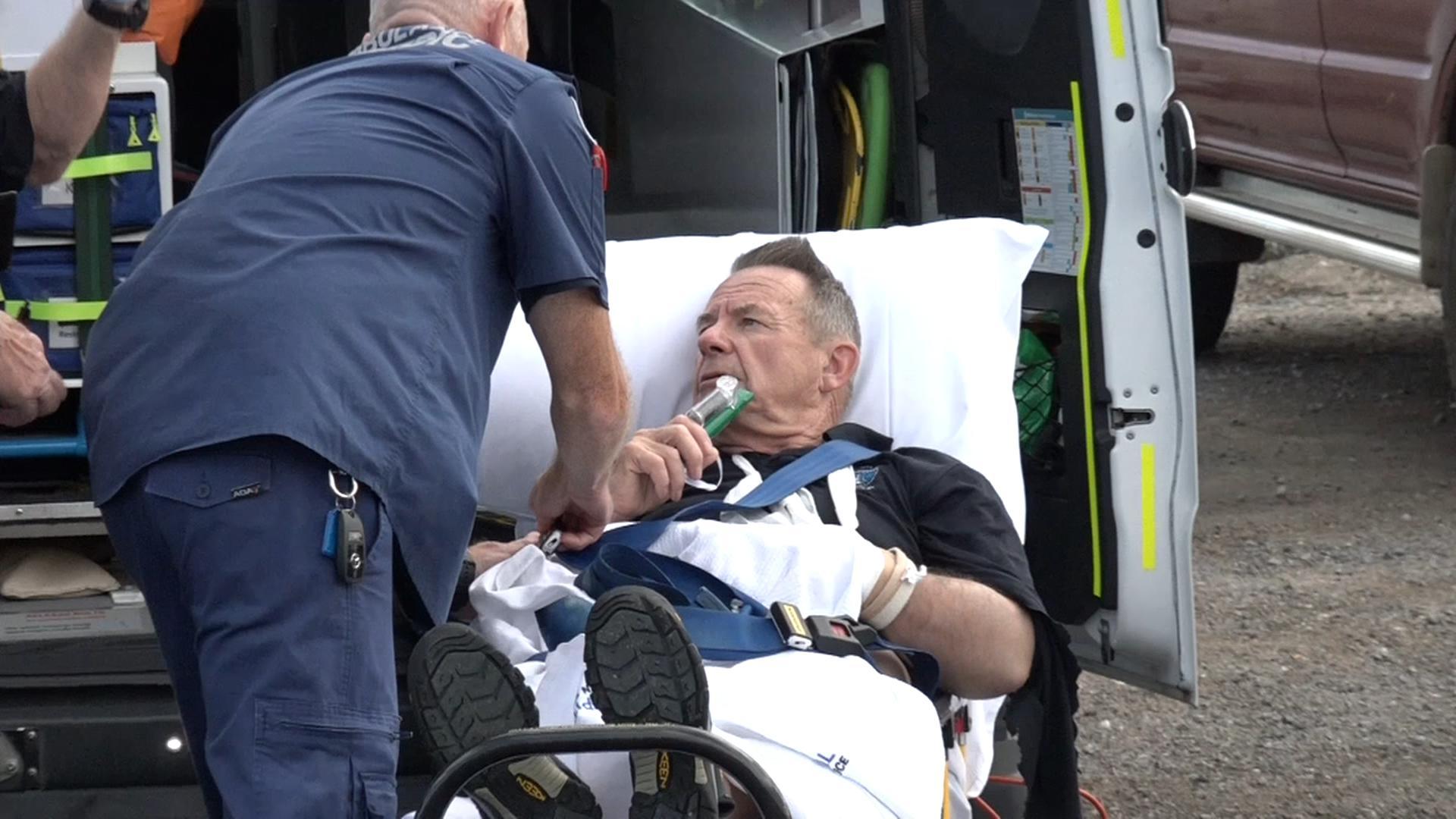
Ambulance and first reaction. Paramedics and first -responders usually take advantage of short training courses in pain monitoring focused on quick assessment and field interventions. In some areas, the PUAEme008 Supply Pain Administration system (often written as PUAEME008 Supply Discomfort Administration in competency structures) defines the criterion for prehospital analgesia. It generally covers nitrous oxide/oxygen blends, methoxyflurane where allowed, standard opioid administration under methods, and nonpharmacologic techniques like splinting and placing. The most effective applications highlight scene security, authorization, and reassessment every few mins. If your solution is updating procedures, a targeted emergency discomfort management course can re‑align practice swiftly.
Acute treatment nursing. Pain administration training for nurses in medical facilities ought to prioritize post‑operative pathways, multimodal analgesia, PCA safety, nerve block aftercare, and recognition of red flags concealed by anesthetics. Night shift facts belong in the curriculum: just how to titrate safely when staffing is lean, exactly how to escalate when a block diminishes at 3 a.m., and exactly how to document sedation scores along with discomfort scores.
Primary treatment and neighborhood wellness. For generalists, a pain administration certificate oriented to chronic non‑cancer pain is typically most helpful. It ought to resolve rated activity, brief behavior treatments, sleep health, neuropathic discomfort routines, and just how to have actually structured opioid testimonials without bursting relationship. Recommendation mapping issues below: understanding that in your area takes complicated cases and what info they need.
Rehabilitation and physiotherapy. Pain management training courses for physio therapists need to incorporate modern-day pain neuroscience with hands‑on practice. Graduates should have the ability to describe sensitization without lingo, set direct exposure pecking orders for fear‑avoidance, and companion with prescribers to taper medications while enhancing feature. Programs that include role‑play around language choice help clinicians avoid nocebo effects from laid-back remarks.
Palliative and oncology setups. Medical professionals require depth in opioid rotation, event pain preparation, adjuvants like ketamine or methadone under specialist advice, and the principles of balancing alertness with convenience. Documents and family communication are as essential as titration.
Your range and policies identify what you can do. A reliable pain administration accreditation program will certainly mark clearly where neighborhood legislations form technique, for example that may administer methoxyflurane, initiate a PCA, or prescribe adjuvants.
Building core expertises in assessment
Assessment is a living process. Discomfort adjustments hour to hour with motion, state of mind, and therapy. Strong training programs teach clinicians to utilize both ranges and stories.
A fast instance from the ward: a client with a total knee replacement reporting 7 out of 10 at remainder. Conventional reflexes may hint much more opioids. A more nuanced analysis notes that the person can carry out straight‑leg raises and rest beside the bed for just one minute before stopping as a result of pain and concern. After coaching, ice, a little opioid top‑up, and a modification ready, the number at rest continues to be 6, but the client currently endures 5 minutes of gentle task and accepts physio. Function enhanced while the number barely relocated. Without a function‑oriented frame, you may miss out on that progress.
In prehospital treatment, the assessment home window is pressed. Paramedics need to presume severity from system, vitals, activity, and quick discussion. The PUAEME008 Supply Discomfort Management expertise, where embraced, trains responders to examine contraindications promptly, make use of organized devices like AVPU and sedation scales, reassess every 5 mins, and record both the intensity and the reaction to interventions. That rhythm stops under‑treatment and over‑treatment.
For children, the skill depends on blending monitoring with developmentally proper ranges. A six‑year‑old post‑fracture may rank pain as "large" or "small" on a faces range. The medical professional also enjoys arm or leg securing, play behavior, and consolability. Pediatric dosages are weight based and timing delicate. An excellent discomfort management training course offers you mental mathematics faster ways, pre‑calculated charts, and exercise with carers that are anxious yet important allies.
Cognitive problems makes complex self‑report. In senior treatment, devices like PAINAD integrated with family members input and cautious trialing of analgesia can reveal distress concealed as "agitation." Training courses that include video vignettes often tend to prepare clinicians much better for these subtleties.
Multimodal analgesia as default, not exception
Single representative approaches are simple to show and document but hardly ever optimal. A multimodal plan attacks different discomfort pathways with reduced dosages, reducing negative impacts. In medical wards, that might be regular paracetamol, an NSAID if renal feature enables, a low‑dose opioid for innovation, local anesthesia where offered, and very early mobilization under physiotherapy. In neuropathic discomfort, it could be a gabapentinoid or SNRIs, topical lidocaine, and paced task. In emergency situation discomfort management, it might be splinting, nitrous or methoxyflurane for quick alleviation, and a small IV opioid dose in a titrated fashion.
The technique is to avoid polypharmacy without purpose. Programs worth their cost teach you to set a quit date for each prn, plan reviews, and expect replication throughout discharge summaries and neighborhood prescriptions. They additionally emphasize digestive tract routines together with opioids and kidney tracking when NSAIDs are utilized past a few days.
Regional methods should have even more attention as a whole training. Also if you do not execute blocks, recognizing their signs, benefits, and red flags aids you advocate for people and monitor them safely. For registered nurses, a discomfort management training program that consists of catheter care for continuous nerve blocks, drop risk contributions, and documents of electric motor and sensory adjustments is gold.
Communication that lowers pain
Words change physiology. An easy "your discomfort is genuine and we are mosting likely to treat it together" decreases stress and anxiety and muscular tissue tension. Explaining what to expect from a drug-- "this will likely take 15 mins to begin helping, and your pain should be half what it is currently"-- lowers the assumption of hold-up and gives a timeline for relief. In consistent discomfort, reframing from "we will get rid of pain" to "we will certainly increase what you can do, even if some discomfort sticks around" prevents frustration and opens the door to rehabilitation.
I maintain a brief manuscript for hard discussions concerning opioids. It recognizes the individual's suffering, connects safety to function, and provides concrete options. Role‑play in a pain administration accreditation training course helps medical professionals locate language that fits their style while staying clear of adversarial dynamics. In our service, a short workout transformed how coworkers responded to the inquiry, "Are you calling me a drug hunter?" The new response-- "I am calling you an individual hurting, and my job is to make a safe plan that helps you currently and shields you later"-- defused several strained experiences on the spot.

For physiotherapists, pain education and learning calls for treatment. Stay clear of claiming "your back is unstable" or "your knee is harmed" unless imaging and feature require it. Phrases like "sensitive, not broken" coupled with graded exposure can move behavior. Great pain monitoring programs for physiotherapists consist of patient‑tested metaphors and methods to customize explanations to individuality and culture.
Risk monitoring without stigma
Risk screening becomes part of thoughtful care. Devices and lists aid, yet the tone matters. Asking, "Has any person in your household ever required help with medicine safety and security?" defeats a cold "Any kind of background of substance misuse?" It opens up a conversation about storage, youngsters in the home, and risk-free disposal. In setups where naloxone is offered, stabilizing it as a seat belt instead of a tag lowers resistance.
Courses need to educate sensible systems that protect everybody: double checks for high‑risk application adjustments, independent sedation scoring prior to repeat opioid doses, infusion pump safeguards, and acceleration triggers. For ambulatory practice, contracts that concentrate on objectives and safety instead of punishment tend to function better.
Be alert to non‑opioid risks. NSAIDs can speed up kidney injury in dried patients, intensify cardiac arrest, and create GI bleeding. Gabapentinoids rise sedation and drops when incorporated with opioids, especially in older grownups. Tricyclics assist neuropathic pain but worsen orthostasis and anticholinergic worry. A well‑designed pain administration certification program drills these warns into reflex.
Documentation as a medical tool
Documentation is not a task when you treat it as part of the treatment. A strong note interacts trajectory and problems to the next medical professional. In technique, that resembles this: "Pain 8/10 at rest, guarding right reduced limb. Methoxyflurane self‑administered for 4 minutes, splinted tibia, instructed in sluggish breathing. Pain 4/10 on activity after 7 mins. No nausea. Vitals steady. Strategy: titrate fentanyl 25 mcg IV if discomfort stays above 5 throughout extrication. Reflect on every 5 minutes." That level of clarity protects against over‑dosing, flags the following step, and functions as a teaching artifact later.
In wards and facilities, pair strength with function: "Can stroll 20 meters with frame before quiting because of discomfort at the incision. No sedation. Bowel opened up today. Will certainly include normal paracetamol 1 g q6h, continue advil 200 mg q8h with food for 48 h, oxycodone 5 mg prn for breakthrough as much as 20 mg daily. Objective for tomorrow: 40 meters."
Pain monitoring training for registered nurses ought to include graph audits and responses. It is humbling the very first time, after that swiftly becomes gratifying as you see patterns and close loops.
Choosing the best program: what to look for
Clinicians run into a jampacked market of discomfort monitoring programs. A quick checklist can save time and money.
- Clear alignment with your scope, consisting of authorized medicines or strategies you can make use of, and practical case circumstances from your setting. Faculty who still practice scientifically and can address "what do you do when" questions with specifics, not theory. Assessment that checks judgment under constraints, not just recall. OSCEs, simulations, or case write‑ups are better than several choice alone. Practical resources you can reclaim to work: application charts, individual handouts, manuscripts, and documents templates. A plan for maintenance of capability, whether regular refresher courses, updates on guideline modifications, or opportunities for instance discussion.
Programs that prepare paramedics for PUAEME008 Give Discomfort Monitoring or similar expertises ought to include tool laboratories, substitute noisy settings, and repeating under time stress. Hospital‑oriented programs need to include PCA pump troubleshooting, post‑block monitoring, and after‑hours rise paths. For pain monitoring programs for physiotherapists, ask whether the training includes rated direct exposure preparation, flare‑up administration, and interaction training, not just composition refreshers.
The composition of an effective short course
Short courses in pain monitoring can provide outsized gains if they are securely concentrated. A two‑to‑eight‑hour emergency discomfort monitoring component can change practice in a solitary shift.
Consider a half‑day program for blended ED personnel. In the first hour, update on quick analgesia pathways: triage‑initiated paracetamol and advil for fracture clients without contraindications, IN fentanyl methods, and the duty of ketamine for extreme discomfort with hypotension threats. The second hour, run simulation: a shrieking kid with a lower arm fracture, a calm older adult with a hip fracture and borderline oxygen saturation, an individual in sickle cell crisis ranked as tough by the last team. Consist of methoxyflurane mouth piece assembly and troubleshooting. The 3rd hour, debrief documentation and prejudice. That got analgesia fastest, and why? Where did language or presumptions delay care? Completed with a fast proficiency check and a one‑page protocol card. That framework sticks.
On the other end, a pain monitoring certification developed for neighborhood care could run over a number of weeks with on the internet components and live workshops. The best ones appoint 2 patient instances that individuals track over a month. You see the messiness of good days and flare‑ups, medication adjustments, and rehab pacing. The understanding ends up being neighborhood, not abstract.
Implementing brand-new skills on the floor
One training course does not get rid of old practices. Turning accreditation into practice takes purpose and team buy‑in. I have actually seen solutions set training with tiny system fine-tunes that make modification likely. Stocking nitrous or methoxyflurane in grab bags so crews do not need to open extra cabinets raises usage when appropriate. Rewriting admission order readies to consist of multimodal analgesia with quit days and bowel programs moves recommending patterns. Including a discomfort review area to digital documents requires a moment of reflection and documentation.
For physiotherapists, simple devices help. A one‑page flare‑up plan that patients can fill in-- what to do, just how to scale back, when to call-- decreases stress and anxiety and unplanned gos to. A language overview taped to the workdesk converts clinical lingo right into person expressions that reduced hazard. In time, you observe fewer no‑shows and much better adherence.
Nurses often end up being the early caution system. A basic phrase like "Sedation score 2 before prn request" in handover causes a conversation with the prescriber. A shared view of what "breakthrough pain plan" means prevents the back‑and‑forth at 2 a.m. where pain management certificate everybody is presuming. Discomfort administration training for nurses ought to teach not only the web content, yet also exactly how to lead these micro‑improvements on the unit.
Evaluation and maintenance
Certification ought to note the begin of an understanding cycle, not its end. Pain science develops, medicines reoccur, and patient expectations shift. Construct a simple evaluation rhythm. Every quarter, pick one theme-- for example, neuropathic pain routines-- and examine five cases. Did the plan suit standards? Were unfavorable results tracked? Did feature enhance? Share findings in a short huddle. The point is not conformity movie theater. It is to catch drift and reinforce good habits.
Refresher pain management training courses do not require to be long. A 60‑minute upgrade on brand-new advice, a debrief on a challenging situation, and a fast abilities look for any tool maintains proficiency fresh. Solutions straightened to PUAEME008 provide pain monitoring often call for routine recertification. If you treat the process as an opportunity to improve procedures and debrief real occurrences instead of a box‑tick, your crews will certainly engage.
Ethics and equity
Pain is not distributed relatively. Bias leaks in. Research studies continually reveal that individuals from marginalized teams obtain much less analgesia for similar problems. Qualification programs ought to confront this explicitly. Show groups to use organized devices to decrease subjective drift, and to take a look at where assumptions modify choices. In method, this could mean carrying out triage‑initiated analgesia methods that do not wait for a doctor's assessment, or creating standing orders that equip registered nurses to begin non‑opioid treatment and nonpharmacologic procedures quickly.
Language access is vital. Pain assessment loses accuracy with poor translation. Solutions that buy interpreter accessibility, straightforward person handouts in common languages, and team training in ordinary speech see far better results. In physical rehabilitation, culturally adapted discomfort education and learning materials raise interaction and trust.
Ethics additionally implies borders. Find out to state no to dangerous requests in such a way that maintains the connection intact. A pain management qualification course that consists of role‑play with standardized clients and comments will certainly aid you find words that value freedom while securing individuals and the public.
A note on regulation and credentials
Before register, confirm that the discomfort administration qualification aligns with your jurisdiction's guidelines. Some certifications bring CPD or CME credit histories, others please certain competency devices like PUAEME008 Supply Discomfort Monitoring for emergency situation solutions. For prescribers, check whether conclusion satisfies regional board expectations for opioid recommending training. For nurses and physio therapists, validate that the program is acknowledged for specialist growth hours and appropriate to your scope.
Marketing can be loud. Look past buzzwords and locate the positioning with your day-to-day work. Request for a curriculum. If a company can not tell you just how their discomfort monitoring certification prepares you for the circumstances you face most, maintain looking.
What modifications on Monday morning
The ideal comments I listen to after a solid pain monitoring course is basic: "I dealt with discomfort much faster," or "My client walked farther," or "That discussion went much better." Accreditation becomes real when people really feel relief sooner, when adverse occasions drop, and when your notes tell a story that any colleague can follow.
A paramedic team selects splinting and methoxyflurane throughout a tough extrication, reassesses, after that adds a small opioid dose. The individual arrives calmer, with stable vitals and no queasiness. pain management training A medical registered nurse pairs normal non‑opioids with an early bowel regimen, trainers mobilization, and limits prn opioids to function‑limiting discomfort. A physiotherapist clarifies discomfort sensitization in ordinary language and constructs a graded strategy that the client believes in, with a flare‑up strategy taped to the refrigerator. These are the end results that matter.
Pain administration qualification is not concerning excellence. It has to do with developing the behaviors that make great choices likely under pressure. Pick a training course that hones your judgment, practice the abilities till they are tranquil reflexes, and maintain refining. Clients really feel the difference.